
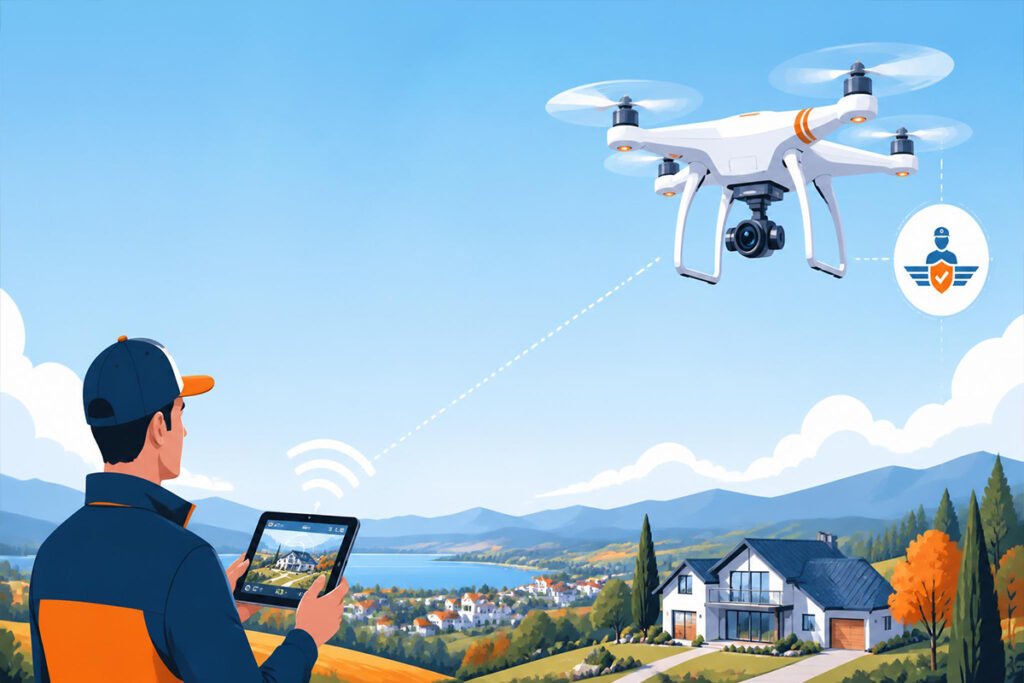
Drones have quietly turned into one of the most creative and profitable tools available to small business owners. If you’ve ever wondered how to start a drone photography business, 2026 is one of the best times to take the leap — camera technology has become dramatically cheaper, licensing is more streamlined than ever, and demand from real estate agents, wedding planners, construction firms, and marketing teams keeps climbing every year.
This complete guide walks through everything you need: licensing, equipment costs, choosing a profitable niche, pricing your services, marketing your work, and scaling from a side hustle into a full-time creative business. If you’re browsing business startup ideas that combine creativity with genuine profit potential, drone photography deserves a serious look.
Table of Contents
- Why Drone Photography Is a Smart Business in 2026
- How Much Does It Cost to Start a Drone Photography Business?
- Getting Licensed: FAA Part 107 Explained
- Choosing Your Drone Photography Niche
- Step-by-Step: How to Start a Drone Photography Business
- Equipment You’ll Actually Need
- Pricing Your Drone Photography Services
- Building a Portfolio Without Paying Clients
- Marketing and Landing Your First Clients
- Legal and Insurance Considerations
- Common Mistakes New Drone Pilots Make
- Scaling Into a Full Drone Media Company
- Frequently Asked Questions
1. Why Drone Photography Is a Smart Business in 2026
Aerial imagery used to require a helicopter and a five-figure budget. Today, a single operator with the right drone can deliver cinematic aerial footage for a fraction of that cost — which is exactly why demand across so many industries has exploded.
Key drivers behind the growth of this niche in 2026:
- Real estate listings with aerial photos sell faster and attract more views than listings using ground-level photos alone.
- Construction and roofing companies rely on drone footage for progress documentation, insurance claims, and roof inspections without the risk of sending a worker onto a roof.
- Wedding and event videographers increasingly offer drone footage as a premium add-on package.
- Agricultural businesses use drone imagery for crop health monitoring, a fast-growing specialty niche.
- Marketing agencies and tourism boards license aerial stock footage for campaigns, creating a passive licensing income stream.
Much like the creative-meets-practical appeal of a luggage business, drone photography lets you combine a genuine interest — flying and photography — with a business model that has real, diverse commercial demand.
2. How Much Does It Cost to Start a Drone Photography Business?
Drone photography is one of the more accessible creative businesses to start, especially compared to businesses requiring physical inventory or a storefront.
| Expense | Estimated Cost |
|---|---|
| Consumer/prosumer camera drone | $800 – $3,500 |
| FAA Part 107 exam and prep materials | $175 – $300 |
| Business registration & licensing | $50 – $500 |
| Liability insurance (annual) | $500 – $1,500 |
| Editing software subscription | $20 – $60/month |
| Backup batteries, propellers, memory cards | $200 – $500 |
| Website and portfolio hosting | $100 – $300/year |
Total starting investment typically ranges from $2,000 to $6,000, which is remarkably lean compared to many creative or field-service businesses, and comparable in accessibility to niche ventures like a cerakote coating business, where specialized equipment is the primary upfront cost.
3. Getting Licensed: FAA Part 107 Explained
In the United States, anyone operating a drone commercially — including for photography or videography sold as a service — is legally required to hold a Remote Pilot Certificate under FAA Part 107.
Steps to get certified:
- Be at least 16 years old and able to read, speak, and understand English.
- Study the Part 107 knowledge areas: airspace classification, weather, drone regulations, and emergency procedures.
- Register for and pass the FAA Aeronautical Knowledge Test at an approved testing center.
- Complete the FAA registration application through the IACRA system.
- Register each drone you plan to use commercially through the FAA’s DroneZone portal.
Certification generally takes a few weeks from start to finish, and the knowledge test fee is one of the most cost-effective licensing requirements of any regulated small business. Full details and updated requirements are available directly through the Federal Aviation Administration’s official drone resource page.
4. Choosing Your Drone Photography Niche
Specializing early helps you market more effectively and often command higher rates than a generalist.
Real Estate Photography
The most consistent demand niche. Realtors regularly need aerial exterior shots, property boundary overviews, and neighborhood context footage for listings.
Construction and Roofing Documentation
Recurring contracts are common here — construction firms often need weekly or monthly progress footage, while roofing companies use drone inspections to quote repairs without ladder risk.
Wedding and Event Videography
A premium add-on service that pairs well with existing videography or photography businesses, or can be offered as a standalone drone-only package.
Agricultural and Land Surveying
Farms and land developers pay well for crop health imaging, land surveys, and property assessments — often requiring specialized multispectral camera attachments.
Tourism and Marketing Stock Footage
Selling or licensing aerial footage to tourism boards, hotels, and marketing agencies creates a passive-income opportunity beyond one-off client shoots.
Inspection Services (Solar, Cell Towers, Utility Lines)
A higher-barrier but higher-paying niche requiring specialized certifications, but with strong long-term contract potential for pilots willing to invest in additional training.
5. Step-by-Step: How to Start a Drone Photography Business
Step 1: Get Certified
Complete your FAA Part 107 certification before purchasing high-end equipment or accepting paid work.
Step 2: Choose Your Business Structure
Most drone operators start as an LLC to separate personal and business liability, an important step given the physical risks inherent to drone operation.
Step 3: Register Your Business and Drone
Register your business name with your state and register each drone used commercially with the FAA.
Step 4: Secure Insurance
Liability insurance is essential — most commercial clients (especially real estate brokerages and construction firms) will require proof of coverage before hiring you.
Step 5: Invest in the Right Equipment
Start with one reliable drone rather than multiple mid-tier models — quality and consistency matter more than variety early on.
Step 6: Build a Portfolio
Shoot free or discounted sessions for a handful of local businesses or properties to build a professional body of work.
Step 7: Set Up Your Online Presence
A simple portfolio website and active Instagram or YouTube presence go a long way in a highly visual business like this one.
Step 8: Price Your Packages
Create tiered packages (e.g., basic real estate package, premium video package, subscription construction-progress package).
Step 9: Pitch Local Businesses Directly
Real estate agencies, construction firms, and event planners are the fastest path to consistent bookings.
Step 10: Reinvest and Specialize
As you gain experience, reinvest profits into specialized equipment (thermal cameras, multispectral sensors) to unlock higher-paying niches.
6. Equipment You’ll Actually Need
New pilots often over-invest in gear before landing their first client. Here’s what actually matters starting out:
- One reliable prosumer drone with a stabilized 4K camera (this is your single biggest investment)
- Multiple spare batteries — running out of power mid-shoot is one of the most common rookie mistakes
- ND filters to control exposure in bright outdoor conditions, especially for real estate and event shoots
- A sturdy case for transport, since dents and scratches affect resale value and reliability
- Editing software for color correction and video editing (many pilots use subscription-based tools that update regularly)
- A basic tripod or gimbal stabilizer for ground-based B-roll to complement aerial footage
Resist the urge to buy specialized attachments like thermal cameras or multispectral sensors until you’ve booked clients specifically requesting those services.
7. Pricing Your Drone Photography Services
Pricing varies significantly by niche and region, but here are realistic starting benchmarks:
| Service | Typical Price Range |
|---|---|
| Real estate aerial photo package | $150 – $400 per property |
| Real estate aerial video package | $250 – $600 per property |
| Wedding/event drone add-on | $300 – $800 per event |
| Construction progress documentation (monthly) | $200 – $500 per visit |
| Roof inspection footage | $100 – $250 per inspection |
| Agricultural/land survey imaging | $400 – $1,500 per project |
As you build a reputation, consider offering monthly retainer packages to construction firms or property management companies — recurring revenue is far more valuable than one-off shoots for long-term business stability.
8. Building a Portfolio Without Paying Clients
Before you can charge premium rates, you need visible proof of your work. Effective ways to build a portfolio quickly:
- Offer 3–5 free or heavily discounted shoots to local real estate agents in exchange for permission to use the footage in your portfolio.
- Partner with a local wedding videographer to shoot a few events at a reduced rate for cross-promotion.
- Shoot scenic local landmarks and public spaces (checking local regulations first) to demonstrate cinematic quality.
- Create a short highlight reel for social media — a strong 60-second reel often converts better than a long portfolio page.
9. Marketing and Landing Your First Clients
Drone photography is a visually driven business, which makes certain marketing channels far more effective than others:
- Instagram and YouTube Shorts are the most natural platforms to showcase aerial footage and attract organic interest.
- Direct outreach to real estate agencies tends to convert faster than waiting for inbound inquiries — offer a free sample shoot to the top-producing agent at a local brokerage.
- Partnerships with construction and roofing companies can lead to recurring monthly contracts rather than one-off jobs.
- Google Business Profile optimization helps you show up in local searches like “drone photographer near me.”
- Referral incentives — offering past clients a discount for referring new business — work particularly well in tight-knit industries like real estate and event planning.
10. Legal and Insurance Considerations
Beyond FAA certification, drone operators need to think carefully about liability, since aerial equipment carries real risk to people and property below.
- General liability insurance protects against claims if your drone causes injury or property damage.
- Hull insurance (equipment coverage) protects your drone itself against crashes, theft, or damage.
- Airspace awareness — always check restricted airspace using the FAA’s B4UFLY app before flying near airports, stadiums, or government buildings.
- Privacy laws — some states have additional restrictions on photographing private property without consent, so research local regulations carefully.
- Client contracts — always use a signed agreement outlining usage rights, deliverable timelines, and liability limitations, similar to the contract practices recommended for other service businesses like a party rental business.
11. Common Mistakes New Drone Pilots Make
- Flying commercially without Part 107 certification — this can result in significant FAA fines.
- Skipping insurance — a single incident without coverage can end a new business immediately.
- Overspending on gear before landing clients — a single reliable drone is enough to start.
- Underpricing services to win early clients — this makes it difficult to raise rates later.
- Ignoring weather and lighting conditions — golden hour and calm winds dramatically improve footage quality and client satisfaction.
- Neglecting a real business structure — operating without an LLC or proper contracts exposes personal assets to liability.
12. Scaling Into a Full Drone Media Company
Once you’ve built a reliable client base, there are several natural directions to scale:
- Add ground-based photography and videography services to offer complete media packages rather than aerial-only shoots.
- Hire and train additional certified pilots to take on more bookings without you personally shooting every job.
- Specialize in a high-barrier niche like solar panel or cell tower inspections, which command significantly higher rates due to certification requirements.
- License your existing stock footage to marketing agencies and tourism boards for ongoing passive income.
- Offer subscription-based monthly packages to construction firms and property managers for predictable, recurring revenue.
This same reinvest-and-specialize approach — start lean, prove demand, then diversify — mirrors the growth strategy behind many successful ventures featured across Ideas Junction’s business startup guides, from niche product businesses to service-based startups.
12.5 Drone Technology Trends Worth Watching in 2026
Staying current with equipment trends can be a genuine competitive advantage, especially in a visually driven business where clients compare your footage directly against competitors.
- Obstacle-avoidance sensors on newer consumer drones have made flying near structures — a common requirement in real estate and construction work — considerably safer and more forgiving for pilots still building experience.
- AI-assisted tracking and framing features now allow drones to automatically follow subjects or maintain smooth cinematic framing, reducing the amount of manual piloting skill required for polished results.
- Longer battery life and swappable battery systems mean fewer interruptions during larger property or event shoots, directly improving how many jobs you can complete in a single outing.
- Improved low-light sensors have opened up twilight and indoor-adjacent real estate shots that previously required expensive lighting rigs.
- Cloud-based footage delivery platforms let you upload, edit, and deliver final footage to clients remotely, cutting turnaround time from days to hours.
Choosing a drone with even a few of these features can meaningfully shorten your learning curve and help you deliver client-ready footage faster than pilots relying on older equipment.
12.6 Seasonal and Weather Planning for Drone Shoots
Weather has an outsized impact on both flight safety and footage quality, and planning around it separates professional operators from casual hobbyists.
Practical seasonal considerations:
- Wind speed limits: Most consumer and prosumer drones shouldn’t fly in sustained winds above 20–25 mph — check manufacturer specifications and always have a backup shoot date for exposed outdoor locations.
- Golden hour scheduling: Real estate and event clients consistently respond better to footage shot in the hour after sunrise or before sunset, so building your shoot calendar around these windows is worth the extra scheduling effort.
- Winter visibility: Shorter daylight hours in colder months mean tighter scheduling windows, particularly for real estate clients who want listings photographed quickly.
- Storm and precipitation risk: Building a simple weather-contingency clause into client contracts protects you from liability if a shoot needs to be rescheduled last minute.
Treating weather planning as a core part of your service — rather than an afterthought — builds client trust and reduces the number of reshoots you’ll need to absorb as a cost.
12.7 Comparing Drone Models for New Operators
New pilots often ask which specific drone to buy first. While exact models change yearly, the decision generally comes down to three tiers:
- Entry-level prosumer drones: Best for pilots testing the business model before committing fully — lighter, cheaper, and still capable of professional-looking 4K footage for real estate and small events.
- Mid-tier professional drones: The sweet spot for most working operators, offering better sensors, longer flight times, and more reliable obstacle avoidance for tighter urban or construction environments.
- High-end cinema drones: Typically reserved for pilots specializing in wedding cinematography or commercial advertising work, where clients expect film-quality color depth and dynamic range.
Rather than chasing the newest release, most successful new operators choose one solid mid-tier model, learn its full capabilities thoroughly, and only upgrade once they’ve outgrown its limitations with actual paying client work.
13. Frequently Asked Questions
Do I need a license to start a drone photography business? Yes. In the U.S., commercial drone use — including paid photography or videography — requires an FAA Part 107 Remote Pilot Certificate.
How much does it cost to start a drone photography business? Most operators start with $2,000–$6,000, covering a quality drone, certification, insurance, and basic marketing materials.
What’s the most profitable drone photography niche? Specialized inspection work (solar panels, cell towers, utility lines) and recurring construction-progress contracts tend to offer the highest per-project and long-term revenue.
Can I run a drone photography business part-time? Yes — many pilots start by shooting evenings and weekends for real estate agents or events before transitioning to full-time work once bookings become consistent.
How long does it take to get FAA Part 107 certified? Most applicants complete the process — studying, testing, and registration — within two to four weeks.
Do I need insurance to fly a drone commercially? While not always legally required, most commercial clients (real estate brokerages, construction firms, event planners) will ask for proof of liability insurance before hiring you.
Can I fly a drone at night or in bad weather for a paid shoot? Night operations require an additional FAA waiver on top of standard Part 107 certification, and flying in high winds or precipitation is generally discouraged for both safety and footage quality — always build flexible rescheduling terms into client contracts.
What’s the best way to find my first paying clients? Direct outreach to local real estate agents, wedding videographers, and construction companies typically converts faster than waiting for inbound inquiries, especially when paired with a small portfolio of free or discounted sample shoots.
Final Thoughts
Learning how to start a drone photography business comes down to getting properly certified, choosing a niche with consistent local demand, and building a portfolio that proves your work before you start charging premium rates. It’s a rare business model that rewards genuine creative skill while requiring a relatively modest upfront investment compared to most equipment-based businesses.
If you’re exploring more creative and low-investment paths into entrepreneurship, browse additional guides in our Business Startup category for more ideas tailored to first-time founders. Whichever niche you choose to start with, treat your first few months as a learning period rather than a race to profitability — the pilots who last in this industry are the ones who prioritize safety, client communication, and consistent quality over chasing the newest drone on the market.
Internal links used: luggage business, cerakote business, party rental business, business-startup category (x2) External authority links used: FAA commercial drone resource page