
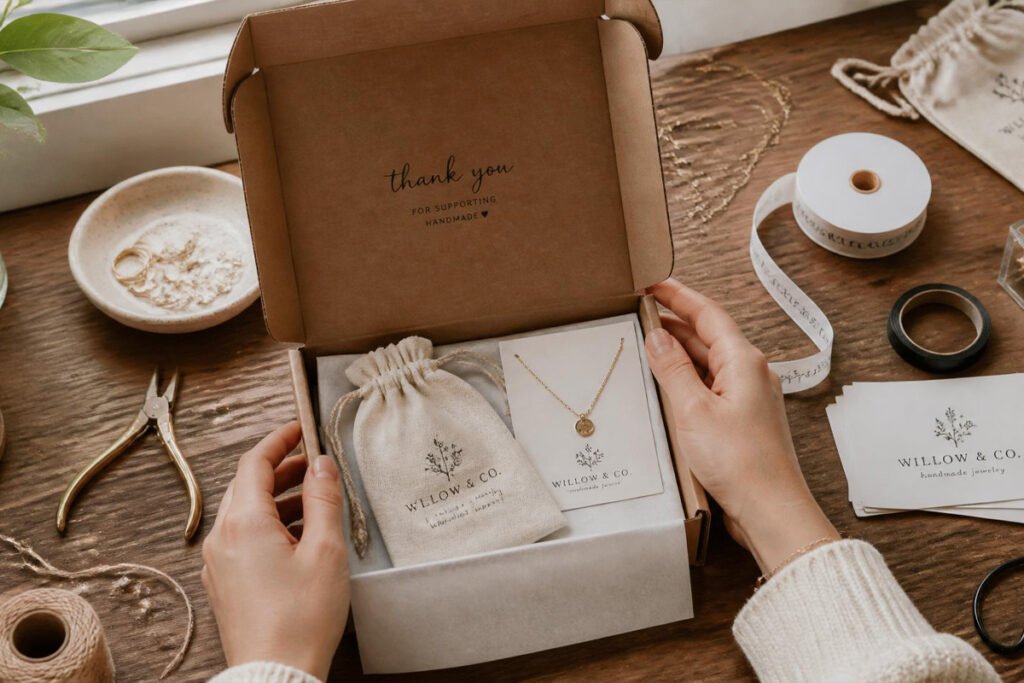
If you’ve ever scrolled Etsy and thought “I could make something people would actually buy,” you’re not alone. Etsy now connects millions of buyers with independent makers, vintage sellers, and small-batch brands, and 2026 remains one of the easiest years yet to get a shop live — the platform’s tools for pricing, shipping, and marketing have never been more beginner-friendly.
The problem isn’t opening a shop. It’s opening the right shop the right way. Most new sellers pick a saturated niche, underprice their products, skip the legal basics, or give up after their first quiet month. That’s exactly what this guide fixes.
If you’re weighing Etsy against other paths, it’s worth reading our ultimate startup and online business guide for the bigger picture, or comparing it with 15 best passive income ideas if you’re still deciding where to put your time.
Quick Answer
The best way to start an Etsy shop depends on what you’re selling. If you make physical goods — jewelry, candles, ceramics — focus on a tight niche, professional photos, and accurate shipping costs before you launch. If you sell digital downloads (printables, templates, SVGs), your priority shifts to file quality and SEO-rich listings since there’s no shipping or inventory to manage. Vintage sellers need sourcing systems and authentication skills instead. In every case, the shops that succeed treat Etsy like a real storefront: consistent branding, honest photos, and fast, friendly customer service.
Table of Contents
- What Is an Etsy Shop and How Does It Work?
- How to Choose the Right Products to Sell
- Best Etsy Shop Types for Beginners
- Etsy Shop Types Compared
- Best Etsy Approach for Different Sellers
- How to Set Up Your Etsy Shop Correctly
- Common Mistakes New Etsy Sellers Make
- Expert Tips for Growing Your Shop
- Final Thoughts
- Frequently Asked Questions

What Is an Etsy Shop and How Does It Work? {#what-is-etsy}
An Etsy shop is a storefront hosted on Etsy’s marketplace where you list and sell handmade goods, vintage items (20+ years old), or craft supplies — plus digital products like printables, templates, and planners. Unlike building your own e-commerce site, you don’t need to build checkout, payment processing, or search infrastructure from scratch; Etsy provides the traffic, the cart, and the buyer trust that comes from an established brand.
When you sell on Etsy, you pay a small listing fee per item, a transaction fee on each sale, and a payment processing fee. In exchange, your listings can appear in Etsy’s internal search and, if optimized well, in Google results too. This is why people who start an Etsy shop often see faster traction than those launching an independent store with zero existing audience.
If you’re comparing this model to other online paths, our guide on how to start a print-on-demand business walks through a closely related model that pairs well with Etsy for sellers who don’t want to hold inventory.
How to Choose the Right Products to Sell {#how-to-choose}
Before you list a single item, ask yourself three questions:
- Can I make or source this consistently? A one-off craft project is different from a repeatable product line you can restock for months.
- Is there proven demand without impossible competition? Use Etsy’s own search bar autocomplete and completed-listing data to gauge interest before committing.
- What’s my real margin after fees, materials, and time? Etsy’s seller fee structure, plus shipping and materials, needs to leave you a livable margin — not just cover costs.
According to guidance from the U.S. Small Business Administration, understanding your true costs and target market before you launch is one of the biggest predictors of small-business survival — a principle that applies directly to a one-person Etsy shop just as much as any brick-and-mortar business.
If product-market fit is still unclear, our 15 small business ideas for 2026 roundup can help you cross-reference demand against your own skills and interests.
Best Etsy Shop Types for Beginners {#best-shop-types}
1. Handmade Physical Products
Overview: Jewelry, candles, ceramics, resin art, woodworking, and similar crafted goods remain Etsy’s core category, and buyers specifically come to the platform looking for items they can’t find at big-box retailers.
Key Features:
- Requires production time and materials sourcing
- Strong opportunity for repeat customers and custom orders
- Higher perceived value supports better margins
Best For: Makers who already have a craft skill or hobby they want to monetize.
Pros: ✅ Strong buyer trust for handmade goods ✅ Custom/personalized orders command premium pricing ✅ Easier to build a recognizable brand
Cons: ❌ Production time limits how fast you can scale ❌ Shipping fragile items adds cost and risk
Our Verdict: This is the most “classic” Etsy path and the best starting point if you already make things people compliment. Pair it with our freelancing business guide if you want a second income stream while your shop grows.
2. Digital Downloads
Overview: Printable planners, wall art, wedding templates, SVG cut files, and similar digital goods are delivered automatically after purchase — no shipping, no inventory, no production bottleneck.
Key Features:
- Zero shipping or physical inventory
- One file can sell unlimited times
- Fast to test new product ideas
Best For: Sellers with design skills (Canva, Procreate, Illustrator) who want a low-overhead model.
Pros: ✅ Highest margin of any Etsy category ✅ Scales without more of your time per sale ✅ Works well alongside other passive income ideas
Cons: ❌ Market is crowded and price-sensitive ❌ No physical differentiation — design quality is everything
Our Verdict: If you’re weighing this against dropshipping, our how to start dropshipping guide is a useful comparison point since both are low-inventory models with very different skill requirements.
3. Vintage and Curated Goods
Overview: Items at least 20 years old — vintage clothing, home decor, jewelry, and collectibles — have their own loyal Etsy buyer base that values authenticity and sourcing skill over mass production.
Key Features:
- Requires sourcing from thrift stores, estate sales, or auctions
- Each item is unique, which supports storytelling in listings
- Lower startup cost than building a handmade product line
Best For: Sellers who enjoy treasure-hunting and already have sourcing connections.
Pros: ✅ Low production overhead since you’re curating, not making ✅ Unique inventory naturally reduces direct competition
Cons: ❌ Inventory is inconsistent and hard to restock ❌ Authentication and dating items takes real expertise
Our Verdict: A strong side option for sellers who already thrift or collect, but harder to scale predictably than the first two models.
4. Craft Supplies
Overview: Beads, ribbon, blanks, and raw materials sold to other makers — essentially selling to the sellers above.
Key Features:
- Recurring buyers (fellow small business owners restocking supplies)
- Often sold in bulk or bundle listings
- Benefits from wholesale sourcing relationships
Best For: Sellers with supplier connections or bulk-buying access.
Pros: ✅ B2B-style repeat purchases ✅ Less emotional/aesthetic pressure than finished-product listings
Cons: ❌ Thin margins unless you buy at true wholesale ❌ Highly price-competitive category
Our Verdict: Best treated as a secondary shop or add-on line rather than a first Etsy venture.
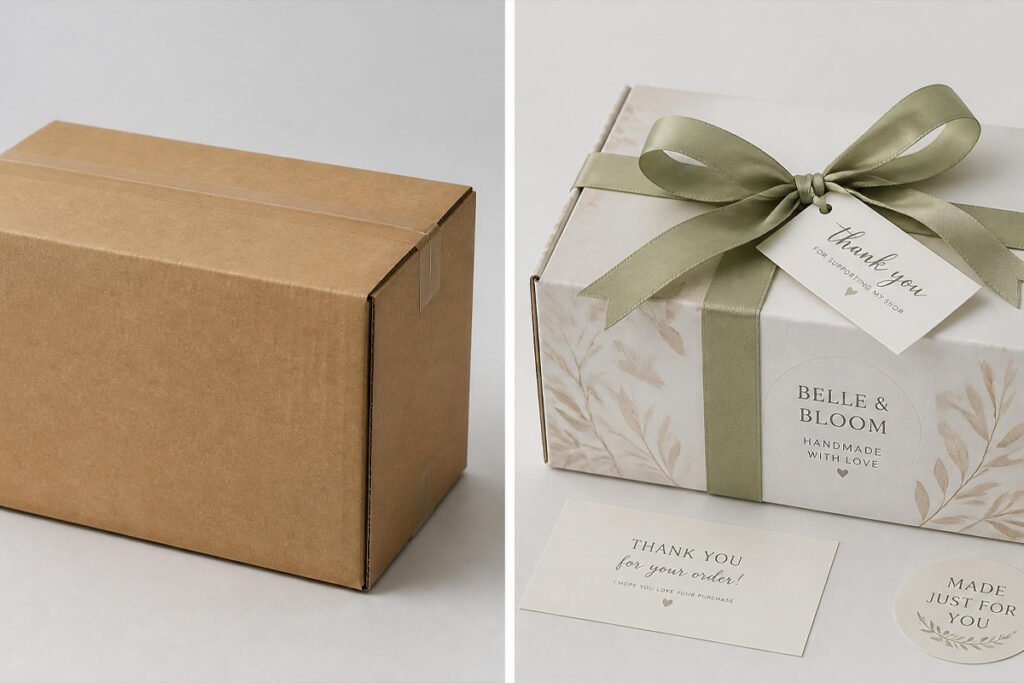
Etsy Shop Types Compared {#comparison-table}
| Shop Type | Best For | Startup Cost | Time to First Sale | Scalability |
|---|---|---|---|---|
| Handmade Physical Products | Skilled makers | Low–Medium | Weeks | Medium |
| Digital Downloads | Designers | Very Low | Days–Weeks | High |
| Vintage & Curated Goods | Thrifters/collectors | Low | Weeks | Low–Medium |
| Craft Supplies | Sellers with supplier access | Medium | Weeks–Months | Medium |
Best Etsy Approach for Different Sellers {#different-sellers}
Selling as a Side Hustle
If you’re testing the waters around a full-time job, start with a narrow product line of 5–10 listings rather than trying to launch a full catalog. This keeps time investment manageable while you learn Etsy’s search and buyer behavior. Our guide to 15 small business ideas for 2026 and 10 proven ways to make money online without investment both cover complementary side-income paths worth comparing.
Selling Full-Time or Scaling Fast
Sellers going all-in should treat Etsy like a real business from day one: separate business banking, a content calendar for new listings, and paid Etsy Ads once you have proof a listing converts. It’s worth reading our ultimate startup and online business guide for the broader operational checklist that applies beyond just the Etsy listing itself.
Selling from Home with a Family or Day Job
Time-strapped sellers benefit most from digital downloads or made-to-order (rather than made-to-stock) physical products, since both let you produce in smaller, flexible batches. If you’re building this around family life or student schedules, our business ideas by life stage guide has additional context on matching a business model to your available time.
How to Set Up Your Etsy Shop Correctly {#how-to-set-up}
According to the U.S. Small Business Administration, most online sellers should confirm their business registration and licensing requirements before taking their first sale — not after, when it’s harder to fix.
Step 1: Choose Your Shop Name and Niche
Pick a name that’s short, memorable, and not already trademarked. Lock in your niche before you open — shops that sell “a bit of everything” tend to convert worse than tightly focused ones.
Step 2: Handle the Legal Basics
Confirm whether you need a business license in your area — our guide on whether you need a business license to sell online walks through this state by state. If you plan to scale seriously, it’s also worth reading legal basics every new business owner must know and considering whether forming an LLC makes sense to protect your personal assets.
Step 3: Set Up Your Shop and Policies
Create your Etsy seller account, add your shop banner and logo, and write clear shipping, return, and processing-time policies. Buyers trust shops that are upfront about timelines.
Step 4: Photograph and List Your Products
Use natural light, multiple angles, and at least one lifestyle/in-context photo per listing. Write titles and descriptions with the keywords real buyers search, not just adjectives you’d use in conversation.
Step 5: Price, Launch, and Review
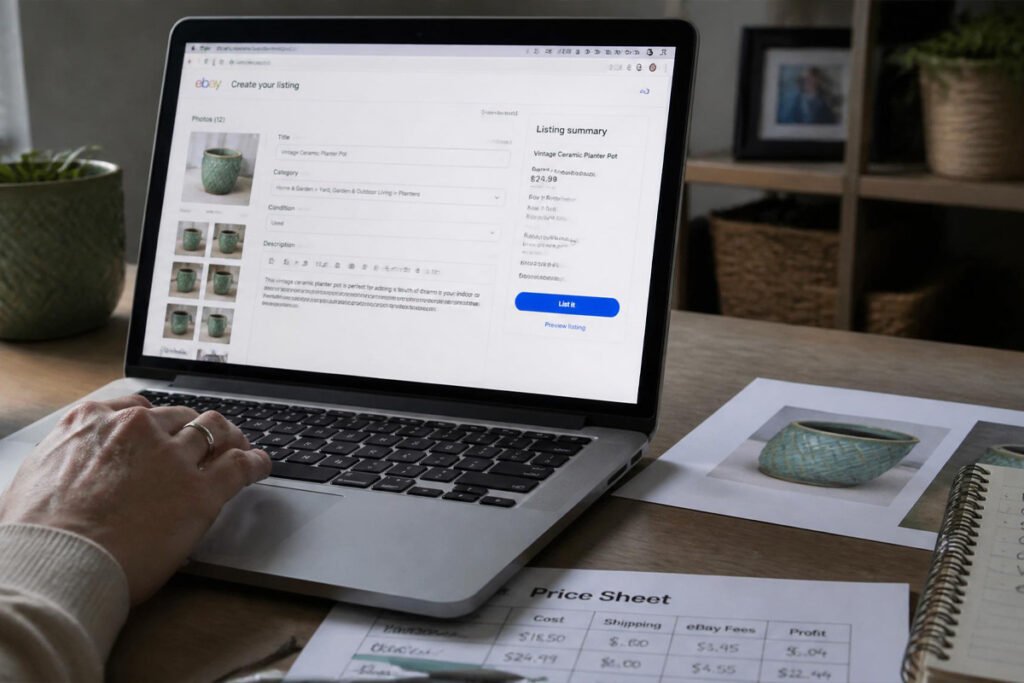
Price to cover materials, your time, Etsy fees, and shipping — then compare against 5–10 similar shops before publishing. Once live, monitor your first sales closely and adjust listings that aren’t getting views.
Common Mistakes New Etsy Sellers Make {#common-mistakes}
Underpricing to “compete.” New sellers often price based on what feels comfortable rather than what actually covers costs, then burn out when the math doesn’t work. Review the operational side in our business operations and compliance guide before you set your first price list.
Skipping the legal groundwork. Sellers who ignore licensing or business structure early on often face costly fixes later. Our piece on legal documents needed to sell a business is aimed at exits, but it’s a good reminder of how much paperwork complexity grows the longer you wait to formalize things.
Listing too few or too generic products. A shop with three vague listings rarely gets found. Compare your catalog strategy against our affiliate marketing beginner’s guide for how content variety and search coverage drive traffic in any online business model.
Expert Tips for Growing Your Shop {#expert-tips}
Treat your shop like a search engine listing, not just a product page. Etsy’s internal search rewards specific, keyword-rich titles over clever branding language. Write for how buyers actually search, then let your brand personality show up in the description and photos.
Reinvest early profits into better photography before ads. Photo quality consistently outperforms ad spend for new shops — buyers decide in seconds, and a professional-looking listing converts browsers into buyers far more reliably than boosted visibility on a weak photo.
Diversify beyond a single platform once you have traction. Many successful Etsy sellers eventually build an email list or a simple website alongside their shop. Our web design trends guide is a useful next step once you’re ready to expand beyond Etsy’s marketplace.
Final Thoughts {#final-thoughts}
Best overall: Handmade physical products for sellers with an existing craft skill and patience to build a brand. Best for beginners: Digital downloads, thanks to the low startup cost and fast iteration. Best budget option: Craft supplies or a small vintage line if you already have sourcing access. Best for scaling: Any category, once you’ve validated demand and formalized your business structure with the legal steps covered in our LLC formation guide, business license guide, and ultimate startup guide.
Whichever path you choose, the sellers who succeed are the ones who treat their Etsy shop as a real, ongoing business — not a one-time listing spree.
Frequently Asked Questions {#faq}
Do I need a business license to sell on Etsy? It depends on your location and how much you sell. Many hobbyist sellers start without one, but as revenue grows, most states require registration. See our full breakdown in do you need a business license to sell online.
How much does it cost to start an Etsy shop? Etsy charges a small per-listing fee plus a transaction and payment processing fee on each sale. Beyond that, your only real startup cost is materials or design software — most sellers can launch for under $100.
How long does it take to make your first sale on Etsy? This varies widely by niche and listing quality, but well-optimized shops with 10+ listings often see their first sale within the first few weeks. Slow starts are common and don’t necessarily predict long-term failure.
Etsy vs. Shopify: which is better for beginners? Etsy gives you built-in traffic and buyer trust from day one, while Shopify gives you full control and no marketplace fees but requires you to build your own audience. Many sellers start on Etsy and expand to their own site later.
Do I need to register an LLC before selling on Etsy? Not immediately — many sellers start as a sole proprietor and formalize later. Once revenue grows or personal liability becomes a concern, our LLC guide covers when and how to make that transition.
What sells best on Etsy in 2026? Personalized items, digital planners and templates, and sustainable/handmade goods continue to perform well, though success depends more on execution — photos, SEO, pricing — than the category alone.
Can I run an Etsy shop alongside a full-time job? Yes — many successful shops start as side businesses. Keeping your product line small and predictable at launch, as covered in our business ideas by life stage guide, makes this far more sustainable.
Why isn’t my Etsy shop getting any views? The most common causes are thin keyword usage in titles, too few listings, or photos that don’t match what buyers expect to see. Revisit your listing titles and compare them against top-performing shops in your niche.
Do I need insurance to sell on Etsy? It’s not required by Etsy, but sellers producing food, cosmetics, or children’s items in particular should look into product liability coverage as they scale — a step worth pairing with the licensing research in our legal basics guide.
Is Etsy still worth it in 2026 with so many sellers? Yes, though competition means execution matters more than ever. Buyers still specifically seek out Etsy for handmade, vintage, and personalized goods they can’t find on general marketplaces, which keeps demand strong for sellers who differentiate well.
Author: Morne Winston Last Updated: July 2026