
Running a dropshipping store by hand, manually forwarding every order to a supplier, checking stock levels one product at a time, editing every listing image yourself, is exactly why so many first-time dropshippers burn out in the first few months. If you’re just getting started, our complete guide to starting a dropshipping business covers the full process end to end. This roundup goes one layer deeper: the specific tools sellers actually use to automate sourcing, order fulfillment, product research, and marketing, what each one does, who it’s best for, and what it costs.
You don’t need every tool on this list on day one. Most sellers start with a store platform and one sourcing/automation app, then add the rest as order volume and marketing needs grow. We’ve grouped these by the job each one solves, so you can pick based on where you actually are right now.
Every tool here solves a different bottleneck: running the actual storefront, automating order fulfillment to your supplier, sourcing faster-shipping products, finding winning products and ads before your competitors do, producing listing and ad creative, and staying in touch with customers after the sale. Buying everything at once before you’ve made a single sale is one of the most common ways new dropshippers spend money that should have gone toward test ad budgets instead.
It’s also worth separating tools that change your actual outcome from tools that just feel productive. A research tool that shows you a product is already saturated and losing you money changes what you sell next. A prettier storefront theme that doesn’t change your conversion rate doesn’t. When evaluating any new tool on this list, ask what decision it will genuinely help you make differently, not just what dashboard it adds.
How to Choose the Right Dropshipping Tools
Before comparing individual tools, it helps to know what you’re actually optimizing for:
- Stage of your business: a pre-launch seller needs a store platform and one sourcing app first; an established store needs research and retention tools more.
- Order volume: manually processing ten orders a day is manageable; manually processing a hundred is where automation tools start paying for themselves.
- Supplier shipping speed: if slow shipping is hurting your reviews, a faster-shipping sourcing tool matters more than any marketing tool.
- Where your current bottleneck actually is: more traffic doesn’t help if orders aren’t being fulfilled correctly, and better fulfillment doesn’t help if no one is finding your store.
- How much time it saves versus doing it manually: a tool that saves a few hours a week of manual order entry easily justifies a modest monthly fee; one that saves twenty minutes probably doesn’t yet.
It’s worth revisiting this list every few months rather than treating your tool stack as a one-time decision. A single-product test store and a 50-SKU established brand need almost entirely different tools, and what felt essential in your first month can become unnecessary overhead by your sixth.
1. Shopify — Best Store Platform
What it does: Shopify is the storefront itself: the platform where your products, checkout, payments, and store design all live. Nearly every other tool on this list connects into a Shopify store through an app integration.
Best for: virtually every dropshipper; it’s the default starting point most sourcing and automation tools are built to integrate with first.
Key features: drag-and-drop store builder, built-in payments, a large app marketplace, abandoned-cart recovery, and basic analytics.
Pricing: tiered monthly plans, with basic tiers aimed at new stores and higher tiers unlocking lower payment-processing rates and more advanced reporting.
Verdict: Almost every dropshipping tool on this list is built to plug into Shopify first, which makes it the default, lowest-friction starting point for a new store.
- Pros: huge app ecosystem, beginner-friendly setup, most sourcing tools integrate natively.
- Cons: transaction fees apply unless you use Shopify’s own payment processor; costs add up once you’re running several paid apps on top.
2. DSers — Best for AliExpress Order Automation
What it does: DSers connects your store to AliExpress suppliers and automates the order-forwarding process: instead of manually placing each customer order with the supplier, DSers bulk-processes orders and keeps tracking numbers synced back to your store automatically.
Best for: sellers sourcing primarily from AliExpress who are past the stage of manually placing every single order.
Key features: bulk order processing, supplier optimization (finding a cheaper or faster-shipping supplier for the same product), automatic tracking sync, basic product import.
Pricing: a free tier covers a limited number of orders per month, with paid tiers unlocking higher order volume and supplier optimization tools.
Verdict: Manually forwarding orders is one of the first things worth automating once you’re past just a handful of daily sales. DSers is the most widely used tool for exactly that job.
- Pros: removes manual order entry entirely, free tier is genuinely usable for a new store, strong AliExpress integration.
- Cons: shipping times from AliExpress-sourced suppliers are still generally slower than domestic fulfillment.
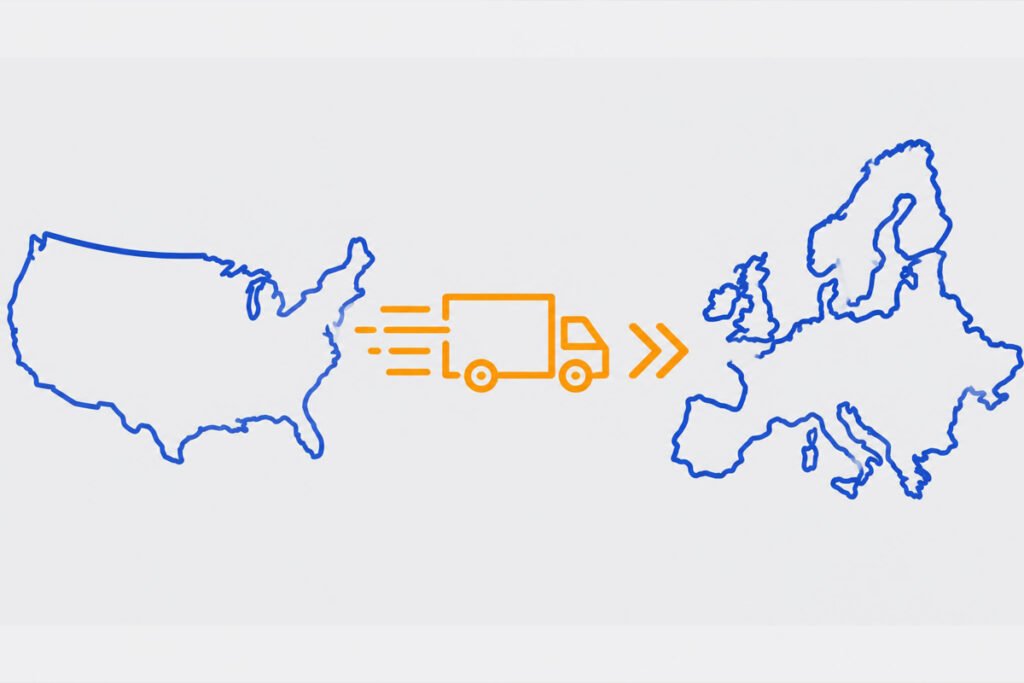
3. Spocket — Best for Faster-Shipping US/EU Suppliers
What it does: Spocket is a supplier marketplace focused on products that ship from US and EU-based warehouses, cutting delivery times dramatically compared to sourcing everything from overseas.
Best for: sellers whose customers are complaining about long shipping times, or anyone targeting US/EU customers who expect faster delivery.
Key features: curated supplier catalog, sample ordering before listing a product, real-time inventory sync, branded invoicing on higher plans.
Pricing: tiered monthly plans based on how many products you can actively list from the platform.
Verdict: If shipping speed is hurting your reviews and return customers, this is usually a bigger lever to pull than any marketing tool.
- Pros: meaningfully faster delivery than typical overseas sourcing, curated supplier quality, sample ordering built in.
- Cons: product selection is smaller than AliExpress’s full catalog, and per-unit cost is often higher.
4. CJdropshipping — Best for Custom Branding and Sourcing Flexibility
What it does: CJdropshipping combines product sourcing with private-labeling services: custom packaging, branded inserts, and even light product customization, plus its own warehousing in several countries to speed up shipping.
Best for: sellers ready to move from generic reselling toward a branded storefront without holding their own inventory.
Key features: custom branding and packaging options, multi-country warehousing, product sourcing beyond AliExpress’s catalog, built-in order automation.
Pricing: free to use for sourcing and order automation; you pay per product and per branding service used.
Verdict: A natural next step once you want your store to feel like a real brand rather than a generic AliExpress reseller.
- Pros: branding options most competitors don’t offer, wide product catalog, multiple warehouse locations for faster shipping.
- Cons: interface has a steeper learning curve than simpler tools like DSers.
5. Minea — Best for Winning Product and Ad Research
What it does: Minea is an ad-spy and product-research tool that shows which ads and products are currently performing well across social platforms, helping you spot trending products and see real ad creative before committing your own budget.
Best for: sellers choosing their next product or building their first ad campaigns and wanting proof of demand before spending on traffic.
Key features: ad library search by platform and niche, product trend tracking, competitor store analysis, saved product lists.
Pricing: tiered monthly plans based on how many searches and saved results you need.
Verdict: Picking a product or an ad angle based on a hunch is far riskier than checking what’s already proven to convert. This is the tool for that validation step.
- Pros: real ad examples rather than guesswork, useful for both product and creative research, saves wasted ad spend testing blind.
- Cons: still requires judgment to adapt what’s working for others to your own store rather than copying directly.
6. Canva — Best for Listing and Ad Creative
What it does: Canva is a drag-and-drop design tool for building product images, ad creative, and social content, using templates sized correctly for whichever platform you’re posting to.
Best for: any seller who doesn’t want to hire a designer just to produce clean, professional-looking listings and ads.
Key features: platform-specific templates, easy text overlays, drag-and-drop editing, brand kits on the paid tier.
Pricing: free to start, with an optional paid Pro tier for premium templates and brand assets.
Verdict: Your product images and ad creative do most of the selling before a customer reads a word of your description. Canva gets you there without design skills or a big budget.
- Pros: genuinely usable free tier, fast learning curve, templates sized correctly for common ad and listing formats.
- Cons: still requires some design judgment to avoid a generic, templated look if you don’t customize much.

7. Klaviyo — Best for Email and SMS Retention
What it does: Klaviyo is an email and SMS marketing platform built for e-commerce, automating flows like abandoned-cart recovery, welcome sequences, and post-purchase follow-ups without manual sending.
Best for: stores that already have some traffic and want to convert more of it into repeat customers rather than relying purely on new ad spend.
Key features: pre-built e-commerce automation flows, audience segmentation, Shopify integration, SMS alongside email on higher plans.
Pricing: free for a limited number of contacts, scaling up based on list size and message volume.
Verdict: New ad traffic is expensive; converting the traffic you already have is usually cheaper. This tool automates that conversion in the background once it’s set up.
- Pros: strong e-commerce-specific automation templates, genuinely free tier for small lists, deep Shopify integration.
- Cons: cost scales quickly once your list grows past the free tier, and flows need occasional review to stay relevant.
How These Tools Work Together: A Sample Workflow
A typical path looks something like this: launch your store on Shopify, source your first few products through DSers or Spocket depending on how fast you need shipping to be, and validate your product and ad angle using Minea before spending real ad budget. Once orders start coming in, DSers or CJdropshipping automates the fulfillment side so you’re not manually placing every order. Canva gets used throughout for listing images and ad creative, refreshed as you test new angles. Once you have steady traffic, Klaviyo starts converting more of it into repeat customers through automated email and SMS flows, rather than relying purely on new ad spend to hit the same revenue every month.
Seen this way, the tools aren’t competing for the same job; they’re covering different points along the same timeline, from launching a store to running a repeat-customer brand. A seller who tries to set all seven up on day one usually ends up overwhelmed and using none of them properly, while a seller who adds one tool at a time, exactly when the current bottleneck demands it, gets far more value out of each dollar spent on software.
Free vs. Paid: What You Really Need at Each Stage
- Pre-launch: Shopify’s basic plan and DSers’ free tier are enough to get a first store live and start testing products.
- Validating your first product: Minea is worth paying for at this stage; guessing at demand and ad angles is the most expensive mistake a new dropshipper makes.
- First sales coming in: Canva’s free tier covers most listing and ad creative needs early on.
- Consistent daily orders: this is where Spocket or CJdropshipping’s branding features start earning their cost, especially if shipping speed or generic packaging is hurting reviews.
- Steady traffic, ready to retain customers: Klaviyo’s paid tier becomes worth it once your list is large enough that automated flows are recovering real revenue.
A simple rule of thumb across every stage: pay for a tool when the time or revenue it recovers clearly outweighs its subscription cost, not because a roundup like this one calls it essential. Recheck that math every few months as order volume and margins change.
Quick Comparison
- Running your storefront: Shopify
- Automating AliExpress orders: DSers
- Faster US/EU shipping: Spocket
- Custom branding and packaging: CJdropshipping
- Finding winning products and ads: Minea
- Listing and ad creative: Canva
- Email and SMS retention: Klaviyo
Where These Tools Fit If You’re Just Starting Out
If you haven’t started yet, our step-by-step guide to starting a dropshipping business walks through the full process this toolkit supports, from picking a niche to launching your first store. If dropshipping’s reliance on third-party suppliers doesn’t appeal to you, Amazon FBA and print-on-demand are two other low-overhead ways to sell physical products online with different trade-offs around inventory and control. And once your store is generating real revenue, our LLC formation guide and business license guide cover the legal groundwork worth having in place.
Frequently Asked Questions
Do I need all seven of these tools to start?
No. Most sellers start with just Shopify and one sourcing/automation tool like DSers, then add the others as specific needs come up, like faster shipping or customer retention once traffic is steady.
Which tool should I buy first?
Shopify is non-negotiable since it’s your actual storefront. After that, a sourcing and order-automation tool like DSers or Spocket, depending on how fast you need shipping to be, is usually the next priority.
Are there free alternatives to these paid tools?
Several tools here, including Shopify’s basic tier, DSers, Canva, and Klaviyo, have genuinely usable free starting tiers. Product and ad research tools like Minea are the exception; free alternatives exist but generally offer far less data than the paid platform.
How often does dropshipping tool pricing change?
Fairly often, since most of these platforms adjust plans and features regularly. Always check the current pricing on each tool’s own site before subscribing.
Should I pick AliExpress sourcing or US/EU sourcing to start?
AliExpress sourcing through a tool like DSers is generally cheaper and has a far larger product catalog, making it a common starting point. US/EU sourcing through Spocket costs more per unit but ships faster, which can matter more once you’re relying on repeat customers and reviews.
Do I need a private-labeling tool like CJdropshipping right away?
No. Custom branding and packaging matter most once you already have a product proven to sell and want to build repeat-customer loyalty around it. Testing a new product idea with generic packaging first, and only investing in branding once it’s validated, avoids spending on customization for a product that might not sell.
Can I run all of these tools on a tight starting budget?
Yes. Shopify’s basic plan, DSers’ free tier, and Canva’s free tier alone are enough to launch and run a first store. Paid research and retention tools are worth adding once you have real sales data to justify the cost, not before.
Last Updated: July 2026