

A supplier wants payment upfront. A slow season is eating your cash. An equipment quote just landed that your savings can’t cover. Most owners start looking for the best small business loans at exactly this moment, and a rushed search usually ends in a loan that costs more than it should.
The problem is that “small business loan” covers very different products. A 25-year SBA loan and a six-month online line of credit solve different problems, and their costs are not comparable. Picking the wrong type is the most common and most expensive mistake.
This guide compares five proven options: SBA 7(a) loans, SBA microloans, a flexible online line of credit, a fast online term loan, and SBA 504 loans. You’ll see who each one fits, what it requires, and where it falls short.
Before you borrow, make sure the basics are in place. You’ll need an EIN for your small business, and clean books from the best accounting software for small business make every application easier.
Quick Answer
The best small business loan depends on how fast you need money and how long you’ve been in business. Established businesses with strong credit get the lowest cost from SBA 7(a) loans. Startups needing a small amount fit SBA microloans. Owners who need flexible working capital should look at a business line of credit, while those who need cash within days can use an online term loan. Large real estate or equipment purchases suit SBA 504 loans. The cheapest loan is usually the slowest, so match the product to your timeline.
Table of Contents
- What Are Small Business Loans and How Do They Work?
- How to Choose the Right Small Business Loan
- Best Small Business Loans Available Today
- Comparison Table
- Best Small Business Loans for Different Situations
- How to Apply for a Small Business Loan Correctly
- Common Mistakes
- Expert Tips
- Final Verdict
- Frequently Asked Questions
What Are Small Business Loans and How Do They Work?
A small business loan is money you borrow from a lender and repay with interest over a set period. Some loans pay out a lump sum. Others, like lines of credit, let you draw funds as needed and pay interest only on what you use.
Lenders fall into three groups. Banks and credit unions offer the lowest rates but the slowest approvals. SBA-backed lenders make loans partly guaranteed by the U.S. Small Business Administration, which reduces the lender’s risk and widens access. Online lenders are fastest and most flexible on credit, but they usually charge more.
What lenders look at is fairly consistent: your personal credit score, time in business, annual revenue, existing debt, and sometimes collateral. Newer businesses are judged more on the owner’s credit and projections, while established ones are judged on cash flow.
Cost matters as much as approval. Compare the APR, which includes fees, rather than the headline interest rate. Also watch for origination fees, prepayment penalties, and weekly payment schedules that strain cash flow.
Finally, separate business and personal finances. Lenders expect it, and it keeps your records ready for review. A document security and recordkeeping tool makes it easier to produce the statements and tax returns every lender asks for.
How to Choose the Right Small Business Loan
Ask yourself three questions before comparing lenders.
1. What is the money for? Real estate and major equipment justify long terms. Inventory, payroll gaps, and seasonal swings fit a line of credit or short-term loan. Matching the loan length to the asset’s useful life keeps payments manageable.
2. How fast do you need it? SBA loans can take weeks to a couple of months. Online lenders may fund within days. If the need isn’t urgent, applying early for a cheaper product saves real money.
3. What does your profile support? Check your credit score, time in business, and revenue honestly. Applying where you clearly qualify avoids unnecessary credit inquiries.
For program details straight from the source, the SBA’s 7(a) loan page explains eligibility, uses, and limits.
Best Small Business Loans Available Today
The figures below reflect commonly published terms. Lenders change requirements often, so confirm current details before you apply.
1. SBA 7(a) Loans — Best Overall
Overview: The 7(a) program is the SBA’s flagship product. Banks and approved lenders make the loan, and the SBA guarantees a portion, which lowers risk and opens the door to longer terms and lower rates than most alternatives.
Key Features:
- Loan amounts up to $5 million
- The SBA guarantees 85% of loans of $150,000 or less and 75% above that
- Terms up to 10 years for most uses and up to 25 years for real estate
- Interest rates are capped by loan size, typically expressed as prime plus a set spread
Best For: Established businesses with good credit that want low-cost, long-term funding.
Pros:
- ✅ Among the lowest rates and longest terms available
- ✅ Works for working capital, equipment, refinancing, and acquisitions
- ✅ Large maximum amount
Cons:
- ❌ Slow approval and heavy documentation
- ❌ Strict credit and cash-flow expectations
Our Verdict: If you can wait and your finances are solid, this is usually the cheapest route. Tidy invoicing helps your cash-flow story, so see our picks for the best invoicing software for small business before you apply.
2. SBA Microloans — Best for Startups and Small Amounts
Overview: Microloans are small loans made through nonprofit intermediary lenders. They are built for new and very small businesses that don’t yet qualify for conventional financing.
Key Features:
- Loans up to $50,000, with an average far lower
- Terms up to seven years
- Rates set by the intermediary lender, commonly in the 8% to 13% range
- Many intermediaries offer business coaching alongside the loan
Best For: Startups, sole proprietors, and owners who need modest funding.
Pros:
- ✅ More accessible to newer businesses
- ✅ Reasonable rates for the risk level
- ✅ Free guidance from the lender in many cases
Cons:
- ❌ Low borrowing ceiling
- ❌ Availability depends on local intermediaries
Our Verdict: A strong first loan for a launch or small expansion. If you’re still setting up, read our guide on choosing the right business license to sell online so your paperwork is ready.
3. Bluevine Line of Credit — Best for Flexible Working Capital
Overview: Bluevine offers an online revolving line of credit. You draw only what you need and pay interest on the drawn balance, which makes it useful for uneven cash flow.
Key Features:
- Lines commonly advertised up to $250,000
- Fast online application with quick decisions
- Typically requires a credit score around 625 and steady monthly revenue
- Generally limited to LLCs and corporations, and not offered in every state
Best For: Businesses with predictable revenue that need a cash buffer.
Pros:
- ✅ Pay interest only on what you borrow
- ✅ Funds available quickly once approved
- ✅ Reusable as you repay
Cons:
- ❌ Frequent repayment schedules can squeeze cash flow
- ❌ Revenue and entity requirements exclude some owners
Our Verdict: Ideal for bridging slow payment cycles. Pair it with a good CRM for small business so you can forecast incoming revenue accurately.
4. OnDeck Term Loan — Best for Fast Funding
Overview: OnDeck is an online lender known for speed. Its short-term loans suit owners who need a lump sum quickly and can repay within a year or two.
Key Features:
- Short repayment terms, commonly up to about two years
- Funding can arrive within days of approval
- Commonly cited minimums include a 625 credit score, about a year in business, and roughly $100,000 in annual revenue
- Costs vary widely with your profile
Best For: Established businesses that can’t wait for SBA timelines.
Pros:
- ✅ Quick decisions and funding
- ✅ Less documentation than a bank
- ✅ Accepts fair credit
Cons:
- ❌ APRs can be far higher than SBA or bank loans
- ❌ Short terms mean larger payments
Our Verdict: Use it for time-sensitive opportunities with a clear payback plan, not for open-ended spending. Run the numbers first with a project management tool that tracks what the money will return.
5. SBA 504 Loans — Best for Real Estate and Major Equipment
Overview: The 504 program funds large fixed assets. A Certified Development Company and a bank each provide part of the financing, which keeps the long-term portion at a fixed rate.
Key Features:
- Amounts up to about $5 million, with some projects reaching $5.5 million
- Terms of 10, 20, or 25 years
- Fixed rates on the long-term portion tied to Treasury yields
- Meant for owner-occupied property and heavy equipment
Best For: Businesses buying a building or expensive equipment.
Pros:
- ✅ Long, stable, fixed-rate financing
- ✅ Lower down payment than many commercial loans
- ✅ Predictable payments
Cons:
- ❌ Cannot be used for working capital
- ❌ Complex, multi-party process
Our Verdict: The right tool when you’re buying assets that will last decades. Before committing, protect the investment with the right coverage from our small business insurance guide.
Comparison Table
| Loan | Best For | Typical Amount | Typical Term | Speed |
|---|---|---|---|---|
| SBA 7(a) | Low-cost general funding | Up to $5M | 10–25 years | Slow |
| SBA Microloan | Startups, small needs | Up to $50K | Up to 7 years | Moderate |
| Bluevine Line of Credit | Flexible working capital | Up to about $250K | Short, revolving | Fast |
| OnDeck Term Loan | Quick lump sum | Varies by profile | Up to about 2 years | Fast |
| SBA 504 | Real estate, equipment | Up to about $5M | 10, 20, or 25 years | Slow |
Figures are typical published ranges, not guarantees. Always confirm current terms with the lender.
Best Small Business Loans for Different Situations
Startups and New Businesses
New businesses face the toughest approvals because there is little revenue history. Microloans and a personally guaranteed line of credit are the realistic starting points. Build credibility first by forming your entity and keeping clean records. A solid business website and a documented plan also strengthen your application.
If you sell through marketplaces, look at your fees and cash cycle in our guides to the best payment processors for online sellers and print-on-demand fulfillment services.
Online and Ecommerce Sellers
Inventory is the big cash drain here. A line of credit or short-term loan can fund stock ahead of a busy season, as long as sell-through is predictable. Compare your margins carefully before borrowing against inventory. Our roundups of the best Amazon FBA tools and best dropshipping tools can help you track what actually turns a profit.
Service Businesses and Freelancers
Service businesses usually need working capital, not heavy assets. Late client payments are the typical trigger. A small line of credit smooths the gaps, but faster invoicing often solves part of the problem for free. See the best freelance marketplaces for service providers and our tips for pricing a business proposal so you are paid properly from the start.
How to Apply for a Small Business Loan Correctly
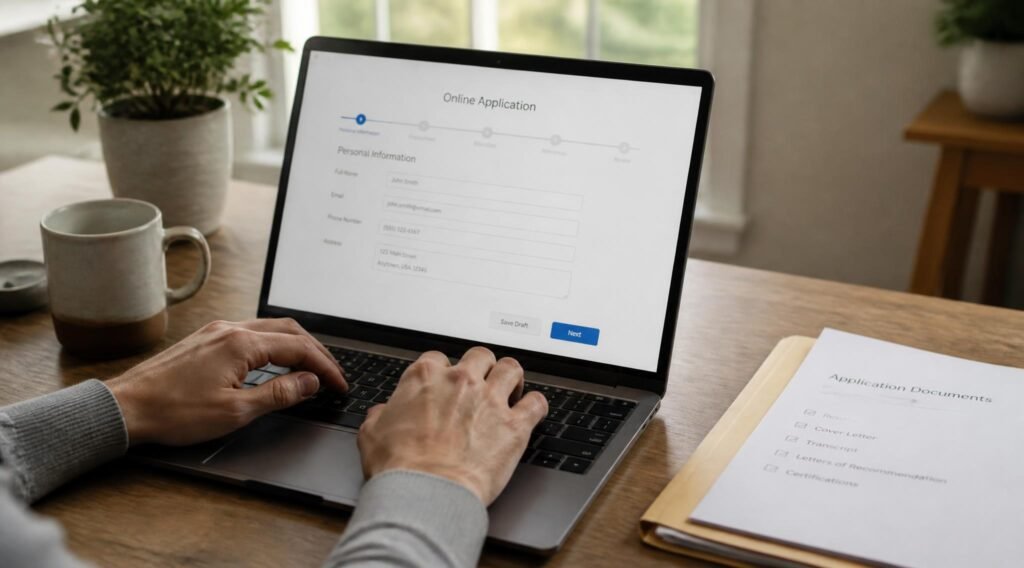
A careful application raises your odds and lowers your cost. For additional guidance, the SBA’s microloan overview is a useful reference.
Step 1: Define the Need
Write down the exact amount, purpose, and payback source. Lenders approve clear plans faster than vague ones.
Step 2: Gather Your Documents
Common requests include two to three years of tax returns, recent bank statements, a profit-and-loss statement, a balance sheet, and ID. Contracts can be needed too, so keep them organized with the best e-signature software for small business.
Step 3: Check Your Credit
Review your personal and business credit reports and fix errors before applying. Small score gains can change your rate tier.
Step 4: Compare Offers Using APR
Apply with two or three lenders in a short window. Compare total repayment, fees, and payment frequency, not just the rate.
Step 5: Read the Terms Before Signing
Look for prepayment penalties, personal guarantees, collateral clauses, and default terms. Ask questions until the cost is clear.
Common Mistakes
Borrowing the wrong product. Using a short-term loan for a long-term asset creates payments your cash flow can’t carry. Match the term to the need.
Ignoring total cost. A low-looking fee can hide a very high APR. Track repayment and expenses with the best time tracking software for small business so you know what the loan really returns.
Skipping the paperwork. Missing or messy records cause delays and denials. If a license or permit is part of the file, our guide to a food truck business license shows how much paperwork certain industries require.
Expert Tips
Start the process early. The cheapest loans are the slowest. Applying months before you need money gives you leverage and options.
Build a banking relationship. Business checking history and steady deposits help with banks and SBA lenders. Strong deposits also support a stronger application.
Borrow slightly less than the maximum. Interest and fees add up. A smaller loan you can repay comfortably beats a larger one that forces you into refinancing.

Final Verdict
Best overall: SBA 7(a) loans for established businesses that can wait for the lowest cost.
Best for startups: SBA microloans for smaller amounts and extra guidance.
Best for flexibility: A business line of credit like Bluevine for uneven cash flow.
Best for speed: An online term loan like OnDeck when time matters more than cost.
Whichever you choose, borrow for a specific purpose and compare APRs. Next, explore our guides to business laptops for entrepreneurs, business proposal software, and digital products to sell online to put your funding to work.
Frequently Asked Questions
What credit score do I need for a small business loan? It depends on the lender. SBA and bank loans generally want good credit, while many online lenders accept scores around 625. Lower scores may still qualify for microloans or secured options.
How long does it take to get approved? Online lenders can fund within days. SBA loans often take several weeks to a couple of months because of underwriting and documentation.
Can I get a business loan as a startup? Yes, but options are narrower. Microloans, personally guaranteed lines of credit, and SBA programs for new businesses are the common routes.
What is the difference between a loan and a line of credit? A term loan gives you a lump sum with scheduled repayments. A line of credit lets you draw as needed and pay interest only on the balance used.
Do I need collateral? Not always. Some online loans are unsecured but require a personal guarantee. Larger loans, especially real estate, usually require collateral.
Is an SBA loan better than an online loan? SBA loans are usually cheaper and longer, but slower and harder to qualify for. Online loans trade higher cost for speed and flexibility.
What can I use a small business loan for? Common uses include working capital, inventory, equipment, refinancing, and expansion. Some programs restrict uses, so check the terms. If you sell internationally or online, confirm licensing requirements first.
What if I’m denied? Ask for the reason, fix the issue, and reapply later or try a different product. Improving credit, revenue records, or debt levels often changes the outcome.
Author: Morne Winston | Last Updated: October 2026